Water is patient. It creeps through tiny cracks, seeps under baseboards, and condenses in places you never think to check. By the time you see a stain or smell that musty odor, the damage has already started. That is why learning to find hidden moisture early is one of the most valuable skills a property owner can develop. I have spent years working on moisture control in Detroit homes, and I can tell you that the difference between a quick fix and a full mold remediation often comes down to catching the problem before it becomes visible.
Most people assume they would notice a water problem right away. A dripping pipe or a wet patch on the ceiling seems obvious. But hidden water damage is much more common than you think. It lives inside walls, under flooring, and in crawl spaces where no one goes. The real trick is to find hidden moisture before it feeds mold spores and compromises your indoor air quality. That takes a combination of tools, knowledge, and a willingness to look where you would rather not.
Why Hidden Moisture Is So Dangerous
Mold needs three things to grow: moisture, warmth, and a food source. Drywall, wood, and even dust all serve as food. When moisture stays hidden, mold can spread for weeks or months before you see any sign of it. By then, the colony has likely released enough mold spores into the air to affect your health. Common symptoms include respiratory issues, headaches, and fatigue. People often blame allergies or seasonal changes, but the real culprit may be lurking behind a wall.
The other risk is structural. Prolonged exposure to moisture weakens wood, rusts metal, and degrades insulation. A small leaky pipe under a sink might seem harmless, but if it drips for six months, the subfloor could rot. That kind of damage is expensive to fix and often requires structural drying or even full replacement. So learning to find hidden moisture is not just about mold prevention. It is about protecting the building itself.

Tools That Actually Help You Find Hidden Moisture
You do not need a laboratory to detect water where it should not be. A few affordable tools can make a huge difference. The most straightforward is a moisture meter. This device measures the water content in materials like wood, drywall, and concrete. You press the pins into the surface, and the meter gives you a reading. If you see numbers above 15 percent in drywall or above 12 percent in wood, you have a problem. I always carry a moisture meter on inspections because it catches issues that look fine to the naked eye.
Another powerful tool is a thermal imaging camera. It detects temperature differences on surfaces. Wet areas tend to be cooler than dry ones because water evaporates and draws heat away. A thermal camera shows those cool spots as dark patches on the screen. This is especially useful for scanning large areas like ceilings or walls. You can find hidden moisture behind tile, under vinyl flooring, or inside a finished basement wall without cutting anything open. The combination of a moisture meter and a thermal imaging camera gives you a strong investigative advantage.
A hygrometer is simpler but just as important. It measures the humidity level in the air. If the relative humidity in your basement or crawl space stays above 60 percent, you are inviting condensation problems. That moisture can settle on cold surfaces and create a breeding ground for mold. Keeping a hygrometer in each zone of your home lets you monitor humidity control efforts in real time.
Where to Look First
I always tell people to start with the places they ignore. The crawl space under a house is a classic spot. It is dark, cramped, and usually forgotten. But crawl spaces are notorious for trapping moisture from the ground. Without a proper vapor barrier, the soil releases water vapor into the air, which then condenses on pipes and joists. A quick check with a moisture meter on the wood beams can reveal if the space is staying too damp.
The basement is another high-risk area. Many Detroit homes have older basements with concrete walls that were never sealed. Basement waterproofing is not always a complete solution, but it helps. Even with waterproofing, you can still get moisture wicking through the floor. Check the corners where walls meet the floor. That is where water tends to collect first. If you see efflorescence, that white chalky residue on the concrete, it means water is moving through the masonry.
Attics also deserve attention. Poor attic ventilation can trap warm, moist air from the living spaces below. That air condenses on the cold roof sheathing and drips down onto the insulation. Wet insulation loses its R-value and can harbor mold. I have seen attics where the insulation looked fine on top but was completely saturated underneath. A thermal imaging camera makes this easy to spot from the attic access.
How to Find Hidden Moisture in Finished Spaces
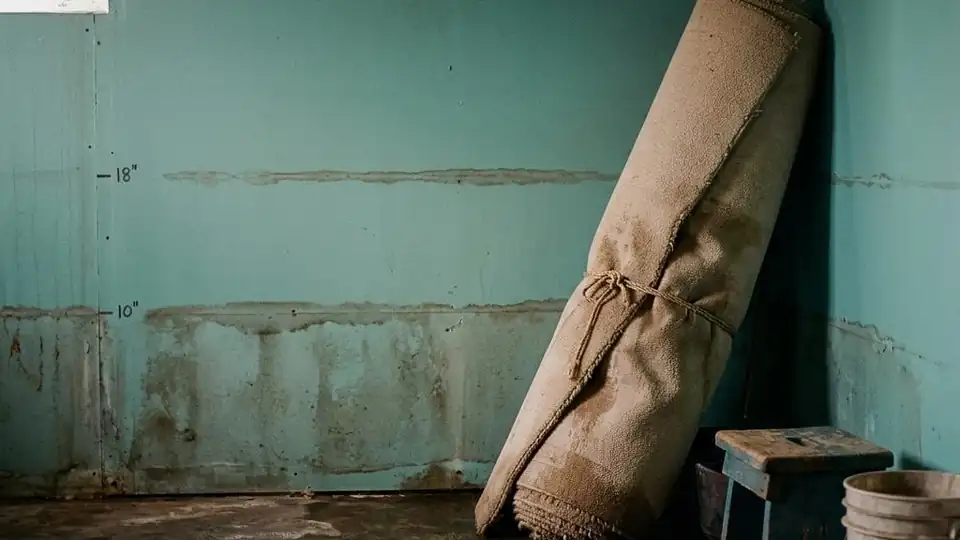
Finished basements and drywalled rooms are harder to inspect because the water is hidden behind the surface. But there are signs. Look for bubbling or peeling paint, especially near the floor. Soft spots in drywall are a giveaway. If you press on the wall and it feels spongy, there is moisture behind it. You can confirm with a moisture meter by taking readings at different heights. If the lower part of the wall reads higher than the upper part, you likely have a leak or rising damp.
Another method is to pay attention to smells. A musty odor in a particular room often points to hidden moisture. The smell comes from microbial volatile organic compounds (MVOCs) released by mold. If you catch that smell, do not ignore it. Start investigating with your tools. I have traced many mold problems back to a small leak behind a shower wall or a slow drip from a supply line under a cabinet. Those issues are easy to fix if you catch them early.
Prevention Is Worth the Effort
Once you find hidden moisture, the next step is to address the source. Sometimes that means fixing a leaky pipe. Other times it means improving ventilation or adding a dehumidifier. A dehumidifier can keep humidity levels in check, especially in basements and crawl spaces. But it is not a cure-all. You also need to manage the sources of moisture. That might involve installing a vapor barrier on the crawl space floor, extending downspouts away from the foundation, or sealing cracks in the basement walls.
For homes that have already experienced flooding or water intrusion, flood restoration and structural drying are critical. Simply drying the surface is not enough. Water soaks into framing, insulation, and subflooring. If you do not dry those materials thoroughly, mold will grow inside the wall cavity. Professional drying equipment and HEPA filter vacuums can help remove mold spores and dry the structure properly. Following EPA guidelines for mold remediation ensures that the cleanup is thorough and safe.
When to Call a Professional
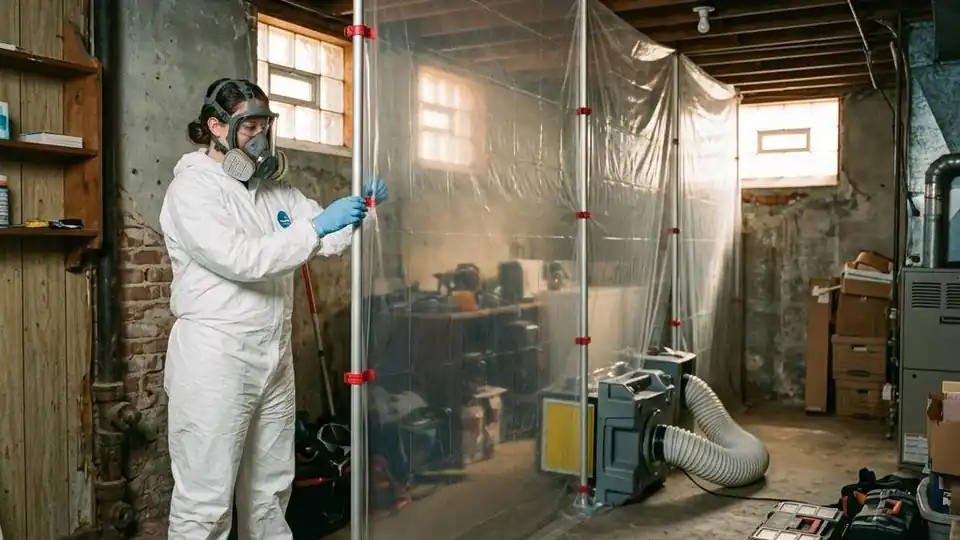
Some situations are beyond what a homeowner can handle. If the hidden water damage covers a large area, or if you suspect mold has been growing for a long time, it is smart to bring in an expert. A professional mold remediation team has the tools and experience to find hidden moisture in places you cannot access, like inside ductwork or behind heavy fixtures. They also know how to contain the area during cleanup so that mold spores do not spread to the rest of the house.
But even if you hire a pro, your own awareness makes a difference. Knowing how to find hidden moisture lets you catch small problems early and avoid big ones. You do not need to become an expert. You just need to pay attention, use a few basic tools, and act when something seems off. In my experience, the properties that stay dry are the ones where the owner stays curious.
Final Thoughts
Water is relentless, but it is also predictable. It follows gravity, condenses on cold surfaces, and seeps through any opening it can find. By learning to find hidden moisture, you take control of your home's health. You protect your indoor air quality, prevent mold growth, and save yourself from expensive repairs. A moisture meter, a thermal imaging camera, and a hygrometer are small investments that pay for themselves many times over. Use them regularly, especially after heavy rain or during seasonal changes. Your nose and your eyes will thank you.